The Web3 gaming industry has had years to figure it out. Hundreds of projects. Billions raised. And yet, most of the games that launched between 2021 and 2024 are either dead or on life support.
Paul is the co-founder of VS Protocol. He's watched the industry stumble through the same mistakes on repeat, and he's built VS Protocol specifically to avoid them. We asked him to be direct about what's going wrong and what doing it right actually looks like.
The Slot Machine Problem
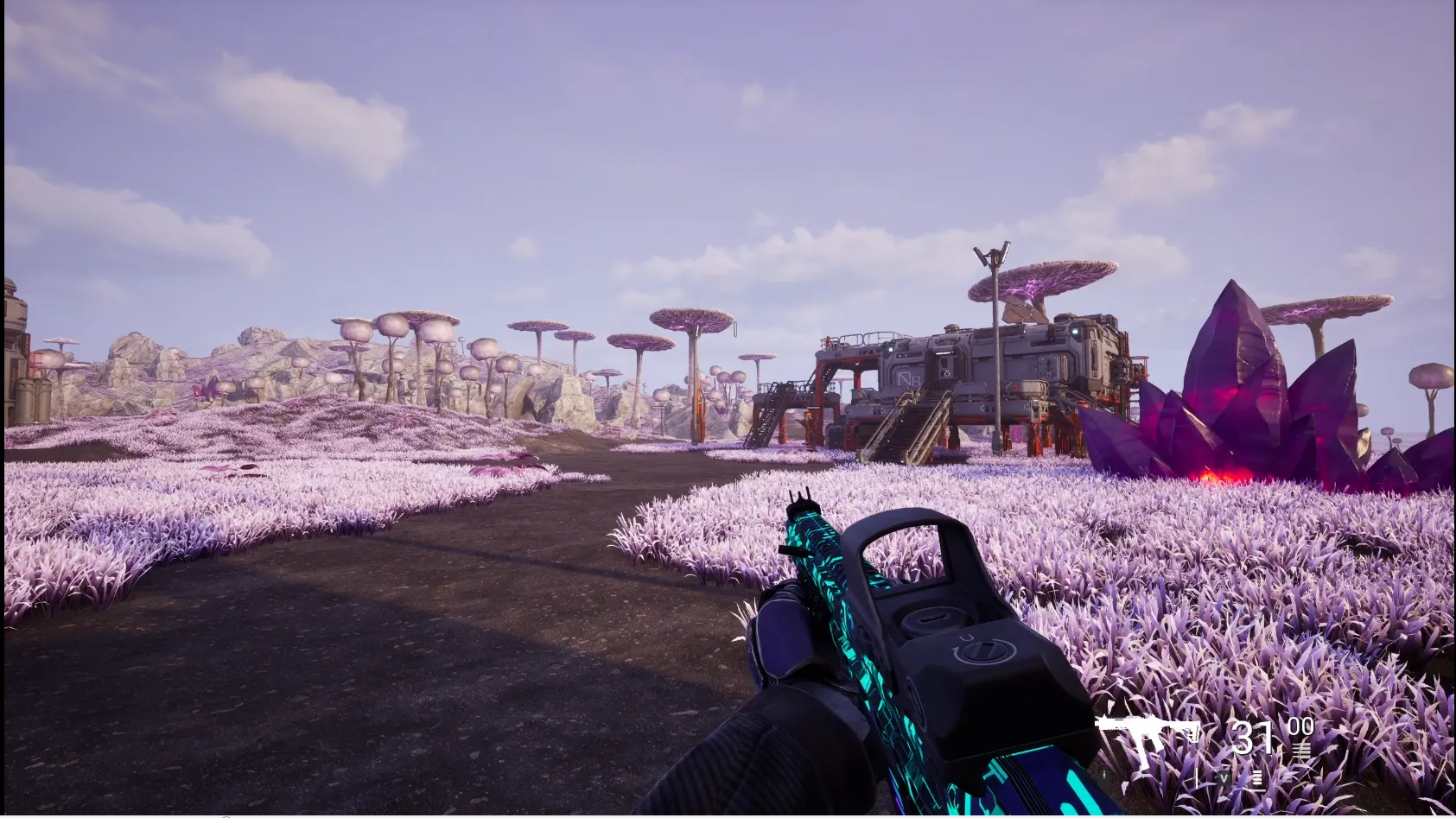
Ask any Web3 gamer what most blockchain games actually play like and you'll tend to get the same answer. Paul doesn't sugarcoat it.
"Most of them are glorified slot machines. They are not fun at all and pale in comparison to normal games where the aim is to have fun. Just because you have blockchain and crypto in your game - it shouldn't be the main focus of your game."
This is the core problem. The blockchain became the product. The "game" was an afterthought layered on top of an economy. Players weren't there to have fun - they were there to earn. And when the earning slowed down or the token tanked, there was nothing left to keep them around.
Compare that to what traditional gaming has always understood: the game has to be worth playing for its own sake. Nobody sticks around a bad game because there's a reward attached to it. They leave.
Gameplay as an Afterthought
So how does a project end up building a slot machine instead of a game? Paul's answer is blunt.
"Gameplay is a secondary objective for them."
That single sentence explains a lot. When the founding team is primarily thinking about tokenomics, NFT drops, and exchange listings, the actual game - the thing players spend time inside - gets the leftover attention. The result is a product nobody wants to play when the incentives run dry.
Building a game is hard. Building a game that's genuinely fun is harder. Most Web3 teams weren't willing, or didn't know how, to do that work first. So they skipped it.
The Token Trap
One of the defining features of the 2021-2022 cycle was token launches. Nearly every project raised capital through a token, built hype around the price, and watched its community's mood track the chart.
We asked Paul whether VS Protocol ever considered going that route.
"Tying a token to a game is a good way to raise funds but it comes with strings attached. If that token doesn't do well then you lose your community. Your game can also be amazing but if the token price tanks then the perception of the game also tanks."
This is something most projects either didn't understand or chose to ignore. The token becomes a second scoreboard that runs alongside the game. And when the second scoreboard goes red, players read it as a verdict on the whole project - even if the game itself is good.
VS Protocol's answer, as Ethan laid out in his fundraising interview, is to raise equity via SAFE and avoid a token entirely. The company's value is tied to the product, not a market price that can be manipulated by a handful of wallets on a slow Tuesday.
What Game-First Actually Means
It's easy to say "game first." It's harder to explain what that means in practice. Paul is specific about it.
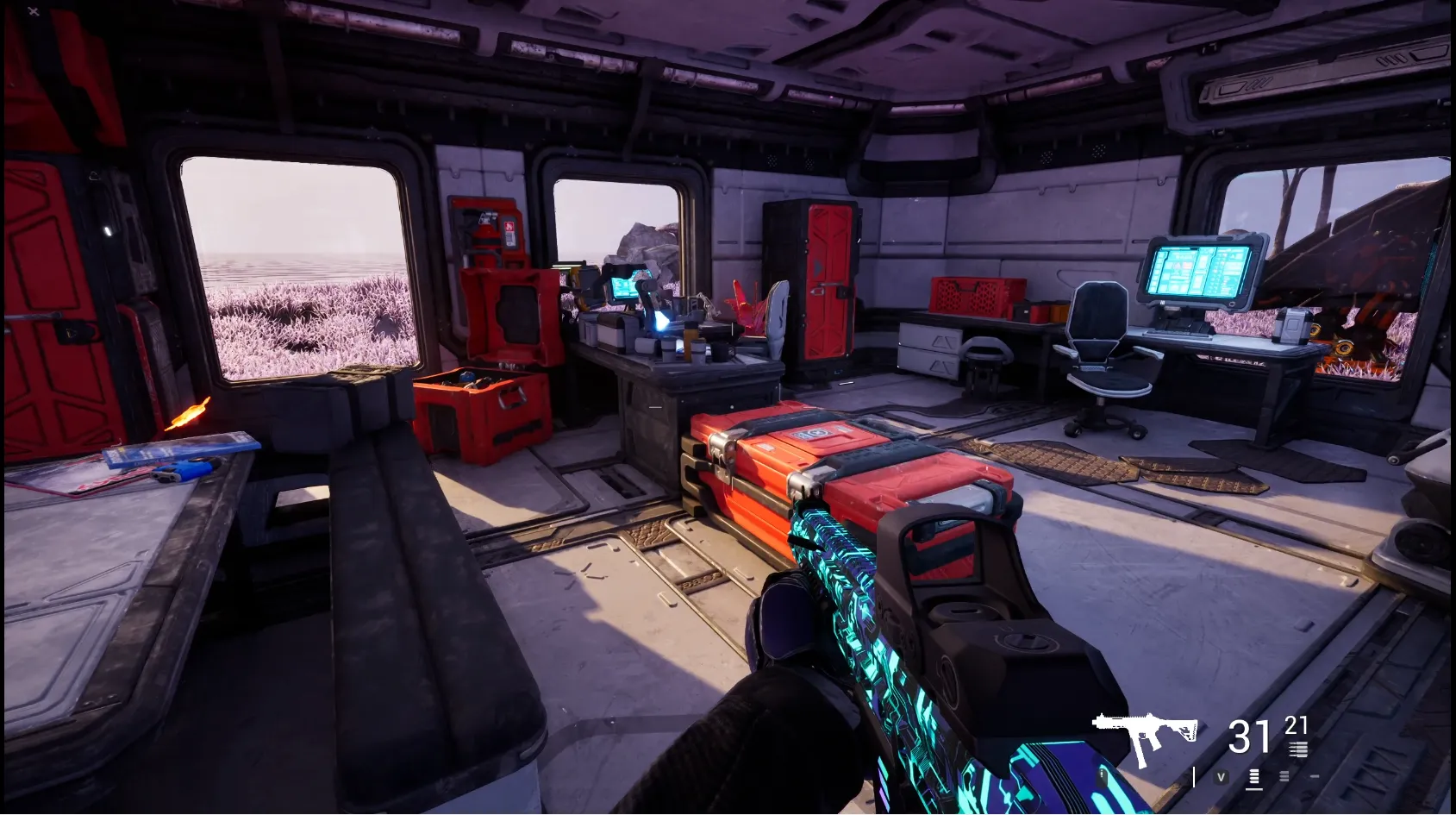
"Before we focus on anything economy-wise or spend a lot of time on NFTs and build that out, we first build the game and its mechanics. Have people play it and test it and find out if it's really fun or not."
That's the sequence. Game. Mechanics. Player feedback. Then and only then do you layer the economy on top. The blockchain serves the game - not the other way around.
Albert Barry, VS Protocol's technical co-founder, detailed the build pipeline in a previous article. The point is the same: the game is what gets built first. The extraction mechanics, the combat, the map design - those come before any discussion of wallets or rewards.
If the game isn't fun when you strip everything out, adding crypto to it won't save it. If the game is fun on its own, crypto makes it significantly more interesting.
Winning Over Traditional Gamers
The skepticism from the traditional gaming community toward Web3 is real and earned. Years of scams, rug pulls, and pay-to-win mechanics have made mainstream gamers allergic to anything with "blockchain" in the description.
Paul's plan for converting them is quietly clever.
"The idea is to have them play a game that is super fun and that they don't need to spend a single cent on. When they get good, or they see how other players are getting rewarded, that will be the pull for them to join in."
You don't sell them on the blockchain. You don't put "Web3" in the loading screen. You let them play. You let them get good at it. And then, naturally, the question occurs to them: why aren't I getting paid for this?
That's the moment. Not a whitepaper. Not a Discord announcement. Just a player realizing that the skills they've been sharpening for free could actually earn them something. That's a far more powerful conversion than any marketing campaign.
What the Next 12 Months Look Like
VS Protocol is currently in Alpha. We asked Paul what success looks like a year from now.
"A beta with at least 2,000 daily active users. And an overwhelmingly positive view on the game."
Notice what's not in that answer. Not token price. Not NFT floor price. Not total value locked. Daily active users and player sentiment - the same metrics a traditional game studio would use to measure success.
That framing matters. It says something about what VS Protocol actually thinks it's building.
A Message to the Industry
We gave Paul the last word on what he'd say directly to a Web3 gaming founder who is watching their community drain away and wondering what went wrong.
"Build something cool and don't try to extract value. Rather give value and it will be given back to you."
Most Web3 games were built around a mechanism for taking money out of players. The NFT mint, the token buy-in, the premium battle pass, the pay-to-win upgrade. Every design decision was oriented toward extraction.
VS Protocol's orientation is the opposite. Give players a great game for free. Let them win. Let them earn. Build the economy around rewarding skill. The value flows back to the platform because players actually want to be there.
It's not a revolutionary idea. It's just how good games have always worked. The Web3 gaming industry is starting to figure that out - just a few years late.
Want to see the approach in action? Join the VS Protocol Alpha and play for free. No wallet required to get started.